

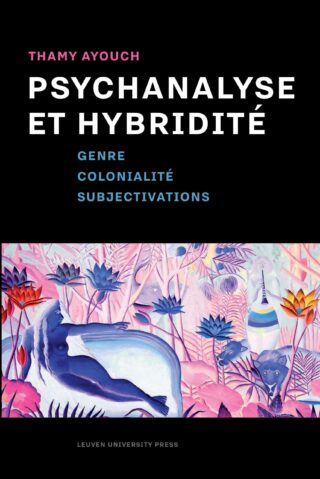
Psychanalyse et hybridité
Genre, colonialité, subjectivations
Thamy Ayouch (Author),
Series: Figures of the Unconscious
Category: Gender Studies, Postcolonial Studies, Psychoanalysis
Language: French
ISBN: 9789461662446
Publication date: February 28, 2018
€21.50 (including 6% VAT)
Buy Now
L’ouvrage propose alors les motifs d’une hybridité structurelle, moteur de l’écoute et de la théorisation analytiques, et d’une hybridation programmatique de la psychanalyse par les perspectives des études de genre et queer et des études postcoloniales et décoloniales.
Le discours psychanalytique aux sujets non majoritaires, minorisés et altérisés
Le genre, la langue et l’ethnicité sont souvent les catégories aveugles de certains discours psychanalytiques prétendant se déployer depuis la position, non située, de l’universel. La psychanalyse n’a toutefois pas pour vocation d’assigner des normes, ni au genres et sexualités, ni aux différences ethniques et culturelles. En posant la question du rapport du discours psychanalytique aux sujets non majoritaires, minorisés et altérisés, le propos de cet ouvrage est de penser des instruments métapsychologiques susceptibles de saisir la singularité d’identifications contemporaines par delà la normativité sociale, culturelle et politique de la binarité des sexes ou de l’universalité culturelle. L’ouvrage propose alors les motifs d’une hybridité structurelle, moteur de l’écoute et de la théorisation analytiques, et d’une hybridation programmatique de la psychanalyse par les perspectives des études de genre et queer et des études postcoloniales et décoloniales.
Psychanalyse et hybridité analyses the motive of hybridity within psychoanalysis, and how it functions as the very agent of clinical and theoretical psychoanalysis. It proposes a programmatic hybridisation of psychoanalysis with the perspectives of gender and queer studies and postcolonial and decolonial studies. The purpose is both theoretical and clinical, as the book aims to devise metapsychological tools likely to apprehend the specificity of contemporary gender, sexuality, class and race identifications and experiences beyond the social and political normativity of sex binarity or cultural universalism.
This publication is GPRC-labeled (Guaranteed Peer-Reviewed Content).
Préface Introduction A. Normes et subjectivations minoritaires B. Identités « mosaïques » I. Analyse de l’hybride, hybride de l’analyse A. Définir et nommer 1. Un motif ubiquitaire2. Corps hybrides 3. Les brassages de l’histoire B. Vers une stratégie énonciative 1. Le genre et l’hybride2. Hybridités post-coloniales C. L’hybride en psychanalyse 1. De l’inconscient au politique 2. Contre la fonction-psy II. La psychanalyse hybridée A. Propédeutique à une hybridation 1. Pour une psychanalyse mineure 2. Historicités 3. Par delà l’universalisme B. Psychanalyse et genre : entrelacs 1. Défaire l’identité2. Sexualités, sexuations, plasticités de genre 3. Normes et vulnérabilité 4. Intersectionnalités C. La psychanalyse décolonisée 1. Penser la colonialité2. La traversée de la frontière 3. Quitte ou double 4. Penser en langues5. Questions actuelles D. Conséquences cliniques et théoriques 1. Inclusions 2. Psychanalyse et relationnalité
Conclusion Bibliographie Index
Frequently Asked Questions
What is "Psychanalyse et hybridité" about?
Le discours psychanalytique aux sujets non majoritaires, minorisés et altérisés
Le genre, la langue et l’ethnicité sont souvent les catégories aveugles de certains discours psychanalytiques prétendant se déployer depuis la position, non située, de l’universel. La psychanalyse n’a toutefois pas pour vocation d’assigner des normes, ni au genres et sexualités, ni aux différences ethniques et culturelles. En posant la question du rapport du discours psychanalytique aux sujets non majoritaires, minorisés et altérisés, le propos de cet ouvrage est de penser des instruments métapsychologiques susceptibles de saisir la singularité d’identifications contemporaines par delà la normativité sociale, culturelle et politique de la binarité des sexes ou de l’universalité culturelle. L’ouvrage propose alors les motifs d’une hybridité structurelle, moteur de l’écoute et de la théorisation analytiques, et d’une hybridation programmatique de la psychanalyse par les perspectives des études de genre et queer et des études postcoloniales et décoloniales.
Psychanalyse et hybridité analyses the motive of hybridity within psychoanalysis, and how it functions as the very agent of clinical and theoretical psychoanalysis. It proposes a programmatic hybridisation of psychoanalysis with the perspectives of gender and queer studies and postcolonial and decolonial studies. The purpose is both theoretical and clinical, as the book aims to devise metapsychological tools likely to apprehend the specificity of contemporary gender, sexuality, class and race identifications and experiences beyond the social and political normativity of sex binarity or cultural universalism.
This publication is GPRC-labeled (Guaranteed Peer-Reviewed Content).
Who wrote "Psychanalyse et hybridité"?
"Psychanalyse et hybridité" was written by Thamy Ayouch.
Thamy Ayouch est ancien élève de l’ENS de Fontenay/Saint-Cloud, Psychanalyste, Professeur des Universités (Paris Diderot), et « Professor Visitante Estrangeiro » (Universidade de São Paulo). Il est l’auteur de nombreux articles et ouvrages en français, anglais, portugais, et espagnol.
Is "Psychanalyse et hybridité" part of a series?
Yes, "Psychanalyse et hybridité" is part of the "Figures of the Unconscious" series.
In collaboration with the International Society for Psychoanalysis and Philosophy (SIPP-ISPP).


The peer-reviewed book series Figures of the Unconscious was founded in 2001 and provides a platform for exchange at the intersection of philosophy and psychoanalysis. Psychoanalysis occupies a crucial position within contemporary philosophical thinking and many analysts are influenced by philosophical approaches.
Both philosophy and psychoanalysis are concerned with the nature of the subject, questions of knowledge and epistemology, sexuality, life and death, ethical issues, alterity, and the subject’s manifold relationships to the other - to other human and non-human beings and to its environment.
We welcome manuscripts in the areas and at the intersections of
- the history of psychoanalysis and Freudian thought
- the exploration of psychoanalytic concepts and the development of theories
- the research and development of the psychoanalytic movement
- psychoanalytic and philosophical concepts and ideas
- psychoanalysis, gender and queer studies
- interdisciplinary approaches that combine psychoanalysis with other scientific disciplines
- current developments in psychoanalytic approaches
- ethical approaches in psychoanalysis
- epistemological debates
Editors-in-Chief
Beatriz Santos (Université de Paris)
Herman Westerink (Radboud University)
Esther Hutfless (Sigmund Freud University Linz)
Editorial board
Jeff Bloechl (Boston College)
Advisory Board
Jozef Corveleyn (KU Leuven)
Monique David-Ménard (Université de Paris)
Rodrigo De La Fabián (Universidad Diego Portales, Santiago de Chile)
Jens De Vleminck (Leuven)
Eran Dorfman (University of Tel Aviv)
Laurie Laufer (Université de Paris)
Elissa Marder (Emory University, Atlanta)
Claire Nioche (Université Paris XIII)
Vladimir Safatle (Universidade de São Paulo)
Charles Shepherdson (State University of New York at Albany)
Guillaume Silbertin Blanc (Université Paris 8)
Raluca Soreanu (University of Essex)
Celine Surprenant (Paris)
Antônio Teixeira (Universidade Federal de Minas Gerais)
Johan Van Der Walt (University of Luxemburg)
Wilfried Ver Eecke (Georgetown University)
Proposals
The board accepts manuscripts for review from both members and non-members of the SIPP-ISPP. These can be either monographs or edited volumes, provided they align with the aims and scope of the series.
Proposals and enquiries can be sent to the series editors-in-chief.
Please make use of the submission form to present your manuscript or proposal to our board.
Authors interested in Open Access can consult the available funding options.
Links & Resources
What is the Table of Contents for "Psychanalyse et hybridité"?
Préface Introduction A. Normes et subjectivations minoritaires B. Identités « mosaïques » I. Analyse de l’hybride, hybride de l’analyse A. Définir et nommer 1. Un motif ubiquitaire2. Corps hybrides 3. Les brassages de l’histoire B. Vers une stratégie énonciative 1. Le genre et l’hybride2. Hybridités post-coloniales C. L’hybride en psychanalyse 1. De l’inconscient au politique 2. Contre la fonction-psy II. La psychanalyse hybridée A. Propédeutique à une hybridation 1. Pour une psychanalyse mineure 2. Historicités 3. Par delà l’universalisme B. Psychanalyse et genre : entrelacs 1. Défaire l’identité2. Sexualités, sexuations, plasticités de genre 3. Normes et vulnérabilité 4. Intersectionnalités C. La psychanalyse décolonisée 1. Penser la colonialité2. La traversée de la frontière 3. Quitte ou double 4. Penser en langues5. Questions actuelles D. Conséquences cliniques et théoriques 1. Inclusions 2. Psychanalyse et relationnalité
Conclusion Bibliographie Index
Related titles

 Margarete Schütte-Lihotzky and the Architecture of Collective Dissidence, 1918–1989
S.E. Eisterer (Author),
April 2027


 Psychoanalysis on Borders, Limits and Beyond
Yianna Ioannou (Editor), Izzy Powis (Editor), Sinziana Ravini (Editor), Léa Silveira (Editor), Jamieson Webster (Editor),
November 2026
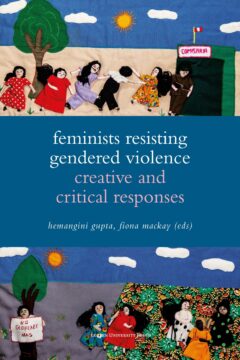 Feminists Resisting Gendered Violence
Hemangini Gupta (Editor), Fiona Mackay (Editor), Jan Breckenridge (Editor), Louise Chappell (Editor), Rachna Mehra (Editor), Rukmini Sen (Editor), Mailin Suchting (Editor),
October 2026
 German–Rapanui Entanglements
Cristián Moreno Pakarati (Editor), Diego Muñoz (Editor), Philipp Schorch (Editor),
August 2026





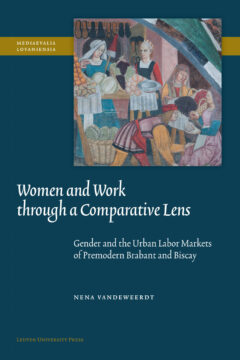
 Architecture & Feminist Critical Theory
Hilde Heynen (Author), Lucía C. Pérez-Moreno (Editor),
November 2025


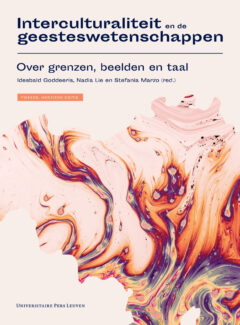 Interculturaliteit en de geesteswetenschappen – tweede, herziene editie
Idesbald Goddeeris (Editor), Nadia Lie (Editor), Stefania Marzo (Editor),
September 2025

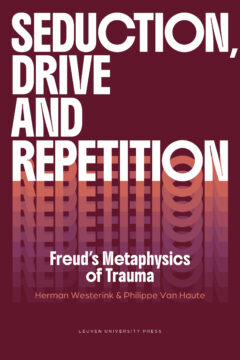 Seduction, Drive and Repetition
Herman Westerink (Author), Philippe Van Haute (Author),
September 2025

 Violence and Trauma in Contemporary Performance
Sofie de Smet (Editor), Marieke Breyne (Editor), Pedzisai Maedza (Editor), Christel Stalpaert (Editor),
May 2025
 Textures of Power
Florence Bernault (Editor), Benoît Henriet (Editor), Emery Kalema (Editor),
May 2025
 Urban Women
Jelle Haemers (Editor), Andrea Bardyn (Editor), Chanelle Delameillieure (Editor),
April 2025
 Cross-Cultural Heritage
Jonas Van Mulder (Editor), Thomas Coomans (Editor), Dries Vanysacker (Editor),
April 2025
 Thoughts for the Times on Groups and Masses
Daniela Finzi (Editor), Jeanne Wolff Bernstein (Editor),
January 2025