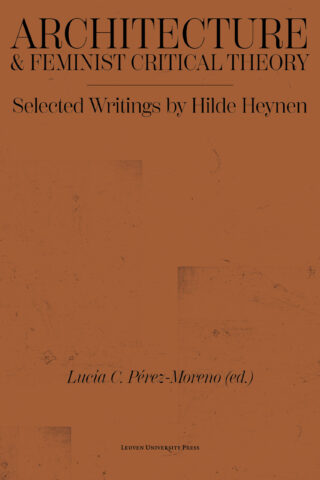

Three decades of intellectual work on architectural theory and feminist discourse.
Hilde Heynen is a Belgian architectural theorist whose work bridges neo-Marxist critical theory and current feminist discourse, applying these perspectives to architectural culture. This volume collects her most significant texts from three decades of intellectual work, centred on three feature concepts: mimesis, dwelling, and displacement. It offers readers incisive reflections on architects’ roles in shaping societies and the alliance between ideology, societal structures of injustice, political economy, housing and the built environment.
Within a fierce post-critical debate among scholars who have begun to question the relevance of architectural theory to the discipline in the early twenty-first century, Heynen’s position remains constant throughout her writings in defence of architectural theory as a social and transformative practice. This collection is essential reading for new generations of architects and cultural theorists interested in modernity, gender and criticality.
Preface
Acknowledgements
Introduction. Hilde Heynen in Context, by Lucía C. Pérez-Moreno
Section 1. Architecture & Critical Theory
Background Notes
Chapter 1. Worthy of Question: Heidegger’s Role in Architectural Theory
Chapter 2. Functionalism and its Shadow
Chapter 3. Space as Receptor, Instrument or Stage : Notes on the Interaction between Spatial and Social Constellations
Chapter 4. Meaning and Effect: Revisiting Semiotics in Architecture
Section 2. Critical Theory & Projects
Background Notes
Chapter 5. In New Babylon, One Cannot Dwell: On Dealing with Poetry and Commonplace
Chapter 6. Scenes of Ambivalence : Concluding Remarks on Architectural Patterns of Displacement
Chapter 7. Signs, Images and Life: Researching the Mimetical Mode of Architecture
Chapter 8. A Critical Position for Architecture?
Section 3. Projects & Political Economy
Background Notes
Chapter 9. “What Belongs to Architecture?” Avant-garde Ideas in the Modern Movement
Chapter 10. The Exodus Machine
Chapter 11. The Intertwinement of Modernism and Colonialism: A Theoretical Perspective
Chapter 12. Lutopia: An Ideal City in an Ideal World
Section 4. Political Economy & Housing
Background Notes
Chapter 13. The Irreducibility of Dwelling
Chapter 14. Belgium and the Netherlands : Two Different Ways of Coping with the Housing Crisis 1945-1970
Chapter 15. Continuity or Discontinuity? Narratives on Modern Architecture in East and West Germany during the Cold War
Chapter 16. About the Displacement of Home
Section 5. Housing & Feminist Theory
Background Notes
Chapter 17. Mimesis, Dwelling and Architecture : Adorno’s Relevance for a Feminist Theory of Architecture
Chapter 18. Places of the Everyday: Women Critics in Architecture
Chapter 19. Modernity and Domesticity: Tensions and Contradictions
Chapter 20. Uncanny and In-Between: The Garage in Rural and Suburban Belgian Flanders
Chapter 21. Anticipating the Future: Three Lines of Development
Section 6. Feminist Theory & Architecture
Background Notes
Chapter 22. ‘Matrix of Man.’ Sibyl Moholy-Nagy’s Neglected Histories
Chapter 23. Genius, Gender and Architecture: The Star System as Exemplified in the Pritzker Prize
Chapter 24. Where Have all the Women Gone? Women’s Visibility in Architectural Culture in Flanders
Chapter 25. A Feminist in Disguise? Sibyl Moholy-Nagy’s Histories of Architecture and the Environment
Chapter 26. Narrating Women Architects’ History: Paradigms, Dilemmas, and Challenges
Coda. The Displacement of Criticality , by Hilde Heynen
List of Figures
List of Original Publications in Chronological Order
Short Curriculum of the Authors
Hilde Heynen
Hilde Heynen is professor emerita of architectural theory at KU Leuven.
Lucía C. Pérez-Moreno
Lucía C. Pérez-Moreno is a professor of architectural history focusing on women, gender studies and feminist theory at the University of Zaragoza. She served as a visiting professor at KU Leuven from 2022 to 2024.
André Loeckx
Lieven De Cauter
Els De Vos
Els De Vos, ingenieur-architect en ruimtelijke planner, is hoofd van de opleiding interieurarchitectuur aan de Universiteit Antwerpen. Haar onderzoek situeert zich op de snijlijn van (interieur)architectuur, wooncultuur, gender en publieke ruimte.
Lucía C. Pérez-Moreno
Het boek positioneert zich daarmee expliciet binnen het huidige debat over gender(on)gelijkheid, sociale rechtvaardigheid en architecturale cultuur. Het biedt lezers scherpe inzichten in de rol van architecten bij het vormgeven van de samenleving. — Floortje Keijzer, de Architect, 28 januari 2026 · Lees de recensie
Frequently Asked Questions
What is "Architecture & Feminist Critical Theory" about?
Three decades of intellectual work on architectural theory and feminist discourse.
Hilde Heynen is a Belgian architectural theorist whose work bridges neo-Marxist critical theory and current feminist discourse, applying these perspectives to architectural culture. This volume collects her most significant texts from three decades of intellectual work, centred on three feature concepts: mimesis, dwelling, and displacement. It offers readers incisive reflections on architects' roles in shaping societies and the alliance between ideology, societal structures of injustice, political economy, housing and the built environment.
Within a fierce post-critical debate among scholars who have begun to question the relevance of architectural theory to the discipline in the early twenty-first century, Heynen's position remains constant throughout her writings in defence of architectural theory as a social and transformative practice. This collection is essential reading for new generations of architects and cultural theorists interested in modernity, gender and criticality.
Who wrote "Architecture & Feminist Critical Theory"?
"Architecture & Feminist Critical Theory" was written by Hilde Heynen, André Loeckx, Lieven De Cauter and Els De Vos.
Hilde Heynen is professor emerita of architectural theory at KU Leuven.
Els De Vos, ingenieur-architect en ruimtelijke planner, is hoofd van de opleiding interieurarchitectuur aan de Universiteit Antwerpen. Haar onderzoek situeert zich op de snijlijn van (interieur)architectuur, wooncultuur, gender en publieke ruimte.
Who edited "Architecture & Feminist Critical Theory"?
"Architecture & Feminist Critical Theory" was edited by Lucía C. Pérez-Moreno.
Lucía C. Pérez-Moreno is a professor of architectural history focusing on women, gender studies and feminist theory at the University of Zaragoza. She served as a visiting professor at KU Leuven from 2022 to 2024.
Is "Architecture & Feminist Critical Theory" available Open Access?
Yes, "Architecture & Feminist Critical Theory" is published Open Access. It is available under a BY-NC-ND license.
Who funded the publication of "Architecture & Feminist Critical Theory"?
Publication of "Architecture & Feminist Critical Theory" was funded by KU Leuven Fund for Fair Open Access
Open Book Collective
.
What is the Table of Contents for "Architecture & Feminist Critical Theory"?
Preface
Acknowledgements
Introduction. Hilde Heynen in Context, by Lucía C. Pérez-Moreno
Section 1. Architecture & Critical Theory
Background Notes
Chapter 1. Worthy of Question: Heidegger’s Role in Architectural Theory
Chapter 2. Functionalism and its Shadow
Chapter 3. Space as Receptor, Instrument or Stage : Notes on the Interaction between Spatial and Social Constellations
Chapter 4. Meaning and Effect: Revisiting Semiotics in Architecture
Section 2. Critical Theory & Projects
Background Notes
Chapter 5. In New Babylon, One Cannot Dwell: On Dealing with Poetry and Commonplace
Chapter 6. Scenes of Ambivalence : Concluding Remarks on Architectural Patterns of Displacement
Chapter 7. Signs, Images and Life: Researching the Mimetical Mode of Architecture
Chapter 8. A Critical Position for Architecture?
Section 3. Projects & Political Economy
Background Notes
Chapter 9. “What Belongs to Architecture?” Avant-garde Ideas in the Modern Movement
Chapter 10. The Exodus Machine
Chapter 11. The Intertwinement of Modernism and Colonialism: A Theoretical Perspective
Chapter 12. Lutopia: An Ideal City in an Ideal World
Section 4. Political Economy & Housing
Background Notes
Chapter 13. The Irreducibility of Dwelling
Chapter 14. Belgium and the Netherlands : Two Different Ways of Coping with the Housing Crisis 1945-1970
Chapter 15. Continuity or Discontinuity? Narratives on Modern Architecture in East and West Germany during the Cold War
Chapter 16. About the Displacement of Home
Section 5. Housing & Feminist Theory
Background Notes
Chapter 17. Mimesis, Dwelling and Architecture : Adorno’s Relevance for a Feminist Theory of Architecture
Chapter 18. Places of the Everyday: Women Critics in Architecture
Chapter 19. Modernity and Domesticity: Tensions and Contradictions
Chapter 20. Uncanny and In-Between: The Garage in Rural and Suburban Belgian Flanders
Chapter 21. Anticipating the Future: Three Lines of Development
Section 6. Feminist Theory & Architecture
Background Notes
Chapter 22. ‘Matrix of Man.’ Sibyl Moholy-Nagy’s Neglected Histories
Chapter 23. Genius, Gender and Architecture: The Star System as Exemplified in the Pritzker Prize
Chapter 24. Where Have all the Women Gone? Women’s Visibility in Architectural Culture in Flanders
Chapter 25. A Feminist in Disguise? Sibyl Moholy-Nagy’s Histories of Architecture and the Environment
Chapter 26. Narrating Women Architects’ History: Paradigms, Dilemmas, and Challenges
Coda. The Displacement of Criticality , by Hilde Heynen
List of Figures
List of Original Publications in Chronological Order
Short Curriculum of the Authors
What is the DOI for "Architecture & Feminist Critical Theory"?
The Digital Object Identifier (DOI) for "Architecture & Feminist Critical Theory" is 10.11116/9789461666482.
Related titles
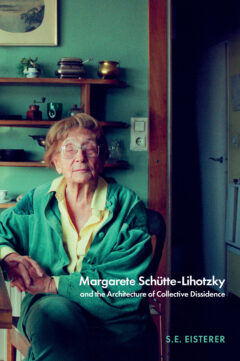 Margarete Schütte-Lihotzky and the Architecture of Collective Dissidence, 1918–1989
S.E. Eisterer (Author),
April 2027
 Infrastructuring Arrival
Karel Arnaut (Editor), Luce Beeckmans (Editor), Bruno Meeus (Editor),
November 2026


 Feminists Resisting Gendered Violence
Hemangini Gupta (Editor), Fiona Mackay (Editor), Jan Breckenridge (Editor), Louise Chappell (Editor), Rachna Mehra (Editor), Rukmini Sen (Editor), Mailin Suchting (Editor),
October 2026
 Cartographies of Catastrophes
Laura Demeter (Editor), Carmen M. Enss (Editor), Piotr Kisiel (Editor), Carol Ludwig (Editor),
February 2026

 Integration Otherwise Inspiration Kit
Luce Beeckmans (Author), Dounia Salamé (Author), Martina Bovo (Author), Mary Hogan (Author),
June 2025
 Urban Women
Jelle Haemers (Editor), Andrea Bardyn (Editor), Chanelle Delameillieure (Editor),
April 2025
 Bronnengids Interieurontwerp België, 1945-2000
Benoît Vandevoort (Editor), Sam Vanhee (Editor), Fredie Floré (Editor), Els De Vos (Editor), Tine Poot (Editor),
April 2025
 Laurent-Benoît Dewez (1731–1812), Architect in the Age of Enlightenment
Dirk Van de Vijver (Author),
February 2025