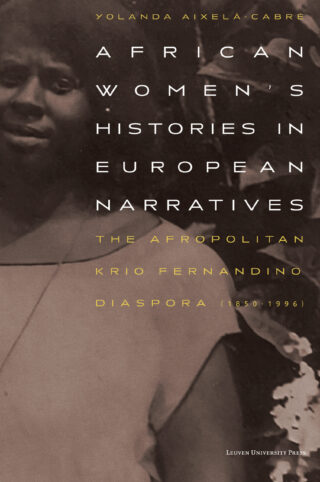
African Women’s Histories in European Narratives
The Afropolitan Krio Fernandino Diaspora (1850-1996)
Yolanda Aixelà-Cabré (Author),
Category: African Studies, Anthropology, Diversity and Equity Studies, Gender Studies, History, History 1800-present, Migration Studies
Language: English
ISBN: 9789462704619
Publication date: June 3, 2025
€39.50 (including 6% VAT)
Buy NowNumber of pages: 280
Size: 234 x 156 x 15 mm

Stock item: 166141
Standard delivery time for print books:
For Belgium: 5 to 8 working days
For EU: 2 to 3 weeks
For other countries: 4 to 5 weeks
Category: African Studies, Anthropology, Diversity and Equity Studies, Gender Studies, History, History 1800-present, Migration Studies
Language: English
ISBN: 9789461666659
Publication date: June 3, 2025
€34.00 (including 6% VAT)
Buy NowNumber of pages: 280
Category: African Studies, Anthropology, Diversity and Equity Studies, Gender Studies, History, History 1800-present, Migration Studies
Language: English
ISBN: 9789461666642
Publication date: June 3, 2025
€34.00 (including 6% VAT)
Buy NowNumber of pages: 280
The Krio Fernandino women, pioneers of Europe’s African diaspora in the 19th Century.
Little is known about the African women who came to Europe from the 1870s onwards, nor do we dare to imagine them as wealthy, elegantly dressed individuals with refined tastes and fluent in several languages. The Krio Fernandino represented a multisited, multilocal, transnational, transcontinental and Afropolitan community that lived between Africa and Europe from the late 19th century onwards. This book explains how the Krio Fernandino, and particularly their women, transcended the barriers of race and gender in colonial Africa and in Spain. Aixelà-Cabré highlights a fascinating journey across cultures and continents, unearthing a compelling narrative of African women’s empowerment in their home continent and in Catalonia. This research highlights a women’s history that resonates on regional, national and transcontinental levels; a genuine Euro-African and Afro-European legacy to be preserved for future generations.
This book will be made open access within three years of publication thanks to Path to Open, a program developed in partnership between JSTOR, the American Council of Learned Societies (ACLS), University of Michigan Press, and The University of North Carolina Press to bring about equitable access and impact for the entire scholarly community, including authors, researchers, libraries, and university presses around the world. Learn more at https://about.jstor.org/path-to-open/
Listen to an interview with Yolanda Aixelà-Cabré at New Books Network
Chapter 1. African women’s histories in European narratives – Introduction
1.1. Premise
1.2. Hypothesis
1.3. Academic aims and state of the art
1.4. Methodology
Chapter 2. Fernandino women in colonial Santa Isabel and independent Malabo
2.1. The African context and Europe: English and Spanish presence in Fernando Poo and Santa Isabel
2.2. The Krio Fernandino community and Amelia Barleycorn de Vivour
2.3. Everyday life in Santa Isabel
2.4. Tensions and conflicts: surviving under colonial repression
2.5. The connection between Malabo and Barcelona since 1968: Equatorial Guinean exile
2.6. Conclusions
Chapter 3. The Fernandino in Barcelona during colonisation and post-independence
3.1. Barcelona and Santa Isabel
3.2. Amelia Barleycorn heading to Europe
3.3. Life in Barcelona
3.4. The Krio Fernandino: trade, health and social life
3.5. Barcelona, missionary actions and student intake aimed at Equatorial Guineans
3.6. Krio Fernandino intersectionality: class, gender and race
3.7. Spain’s collective amnesia post-1968 and the onset of racism during the 1990s
3.8. Conclusions
Chapter 4. Decolonising the African past from a gender perspective
4.1. Amelia Barleycorn de Vivour v. Spanish Government (1911): marriage, nationality, gender and religion
4.2. Fernandino women: between bourgeois elitism and colonial power
4.3. The domestic service used by the Krio Fernandino community or how to (de)racialise class from intersectionality
4.4. The status and social presentation of the body as a formula of distinction Fernandino
4.5. Fernandino women mixing cultures and continents (Africa, America and Europe)
4.6. The impact of Spanish colonialism and Fernandino decline
4.7. Conclusion
Chapter 5. A past forged in the present : the collective memory of Krio Fernandino women – Closing notes
Notes
Primary and secondary sources
Primary sources
Secondary sources
Index
Yolanda Aixelà-Cabré
Yolanda Aixelà-Cabré is Senior Researcher in Anthropology at the IMF center of the Spanish Council for Scientific Research-CSIC, where she co-coordinates the Inclusive Societies Program and leads the R&D Project “Black Spain”.
'This work examines the roles in colonial and postcolonial contexts of Krio Fernandino women, highlighting their unique position as intermediaries between European colonizers and African societies and showcasing the intersectionality of their experiences as an elite African diaspora navigating colonial pressures and societal expectations. The book also addresses the erasure of African women’s histories in European narratives, emphasizing the need to decolonize perspectives by integrating African voices. Finally, it provides a detailed analysis of the impact of colonial legacies and the challenges of racialized migration in Europe.' – Max Doppelbauer, University of Vienna
Frequently Asked Questions
What is "African Women’s Histories in European Narratives" about?
The Krio Fernandino women, pioneers of Europe’s African diaspora in the 19th Century.
Little is known about the African women who came to Europe from the 1870s onwards, nor do we dare to imagine them as wealthy, elegantly dressed individuals with refined tastes and fluent in several languages. The Krio Fernandino represented a multisited, multilocal, transnational, transcontinental and Afropolitan community that lived between Africa and Europe from the late 19th century onwards. This book explains how the Krio Fernandino, and particularly their women, transcended the barriers of race and gender in colonial Africa and in Spain. Aixelà-Cabré highlights a fascinating journey across cultures and continents, unearthing a compelling narrative of African women’s empowerment in their home continent and in Catalonia. This research highlights a women’s history that resonates on regional, national and transcontinental levels; a genuine Euro-African and Afro-European legacy to be preserved for future generations.
This book will be made open access within three years of publication thanks to Path to Open, a program developed in partnership between JSTOR, the American Council of Learned Societies (ACLS), University of Michigan Press, and The University of North Carolina Press to bring about equitable access and impact for the entire scholarly community, including authors, researchers, libraries, and university presses around the world. Learn more at https://about.jstor.org/path-to-open/
Listen to an interview with Yolanda Aixelà-Cabré at New Books Network
Who wrote "African Women’s Histories in European Narratives"?
"African Women’s Histories in European Narratives" was written by Yolanda Aixelà-Cabré.
Yolanda Aixelà-Cabré is Senior Researcher in Anthropology at the IMF center of the Spanish Council for Scientific Research-CSIC, where she co-coordinates the Inclusive Societies Program and leads the R&D Project “Black Spain”.
What is the Table of Contents for "African Women’s Histories in European Narratives"?
Chapter 1. African women’s histories in European narratives – Introduction
1.1. Premise
1.2. Hypothesis
1.3. Academic aims and state of the art
1.4. Methodology
Chapter 2. Fernandino women in colonial Santa Isabel and independent Malabo
2.1. The African context and Europe: English and Spanish presence in Fernando Poo and Santa Isabel
2.2. The Krio Fernandino community and Amelia Barleycorn de Vivour
2.3. Everyday life in Santa Isabel
2.4. Tensions and conflicts: surviving under colonial repression
2.5. The connection between Malabo and Barcelona since 1968: Equatorial Guinean exile
2.6. Conclusions
Chapter 3. The Fernandino in Barcelona during colonisation and post-independence
3.1. Barcelona and Santa Isabel
3.2. Amelia Barleycorn heading to Europe
3.3. Life in Barcelona
3.4. The Krio Fernandino: trade, health and social life
3.5. Barcelona, missionary actions and student intake aimed at Equatorial Guineans
3.6. Krio Fernandino intersectionality: class, gender and race
3.7. Spain’s collective amnesia post-1968 and the onset of racism during the 1990s
3.8. Conclusions
Chapter 4. Decolonising the African past from a gender perspective
4.1. Amelia Barleycorn de Vivour v. Spanish Government (1911): marriage, nationality, gender and religion
4.2. Fernandino women: between bourgeois elitism and colonial power
4.3. The domestic service used by the Krio Fernandino community or how to (de)racialise class from intersectionality
4.4. The status and social presentation of the body as a formula of distinction Fernandino
4.5. Fernandino women mixing cultures and continents (Africa, America and Europe)
4.6. The impact of Spanish colonialism and Fernandino decline
4.7. Conclusion
Chapter 5. A past forged in the present : the collective memory of Krio Fernandino women – Closing notes
Notes
Primary and secondary sources
Primary sources
Secondary sources
Index
What is the DOI for "African Women’s Histories in European Narratives"?
The Digital Object Identifier (DOI) for "African Women’s Histories in European Narratives" is 10.11116/9789461666642.
Related titles
 Margarete Schütte-Lihotzky and the Architecture of Collective Dissidence, 1918–1989
S.E. Eisterer (Author),
April 2027
 Infrastructuring Arrival
Karel Arnaut (Editor), Luce Beeckmans (Editor), Bruno Meeus (Editor),
November 2026

 Toekomstdromen
Maarten Van Dijck (Editor), Gerrit Verhoeven (Editor), Hans Cools (Editor),
November 2026
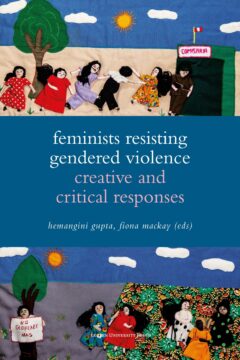 Feminists Resisting Gendered Violence
Hemangini Gupta (Editor), Fiona Mackay (Editor), Jan Breckenridge (Editor), Louise Chappell (Editor), Rachna Mehra (Editor), Rukmini Sen (Editor), Mailin Suchting (Editor),
October 2026
 A City in Practice
Aude Tournaye (Editor), Filip De Boeck (Editor), Picha Collective (Editor),
September 2026
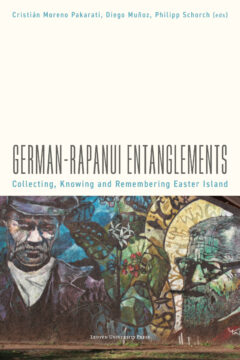 German–Rapanui Entanglements
Cristián Moreno Pakarati (Editor), Diego Muñoz (Editor), Philipp Schorch (Editor),
August 2026
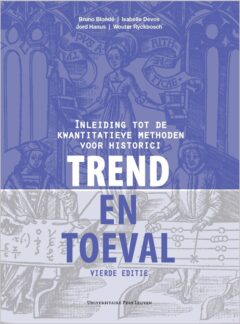 Trend en toeval – vierde editie
Bruno Blondé (Author), Isabelle Devos (Author), Jord Hanus (Author), Wouter Ryckbosch (Author),
August 2026
 Cinema in Post-War Belgium
Gertjan Willems (Editor), Bjorn Gabriels (Editor), Bénédicte Rochet (Editor),
May 2026
 Performing Magnetism
Eleonora Paklons (Editor), Kristof Smeyers (Editor), Kurt Vanhoutte (Editor), Hannah Welslau (Editor),
May 2026
 Christian Democracy and the Fall of Communism
Michael Gehler (Editor), Piotr H. Kosicki (Editor), Helmut Wohnout (Editor),
April 2026
 Jean Katambayi Mukendi
Johannes Muselaers (Editor), Stéphane Symons (Editor), Anne-Claire Schmitz (Editor), Emma Enderby (Editor),
April 2026
 Political Exile in the Global Twentieth Century
Wolfram Kaiser (Editor), Piotr H. Kosicki (Editor),
April 2026