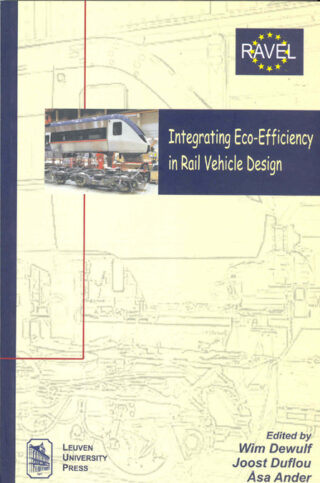
Integrating Eco-efficiency in rail vehicle design
Final report of the RAVEL project
Wim Dewulf (Editor), Joost Duflou (Editor), Asa Ader (Editor),
The total amount of transport is growing fast in the global economy and one unavoidable effect of this is the adverse environmental impact. An eco-efficient transport system is therefore a prerequisite for the development towards a sustainable society.
Railways and the train industry have an important role to play in this context and one of the core components here is the rolling stock. The developments of eco-efficient trains and train components is a complex task, requiring an immense amount of information and effective support tools. Addressing these issues is the aim of the RAVEL methodolgy and the underlying theme of this book.
This book offers the reader:
-
a summary of the needs for Design for Environment (DfE) and the requirements for a rail qvehicle specific DfE system;
-
a presentation of the Ravel methodology developed to cope with the specific needs of the rail sector. The methodology includes a practical and quantifiable definition of eco-efficiency, based on environmental performance indicators. Supporting components of the methodology include standardised data formats, a predefined material list and a knowledge system;
-
a description on how the methodology has been implemented in an information system and as a web-based prototype software.
The book is the final report of the RAVEL project (RAil VEhicLe eco-efficient design), co-financed by the European Commission under the Industrial and Material Technologies Programme. The project was carried out between November 1998 and October 2001 by a team from Bombardier Transportation (co-ordinator), ABB Corporate Research, Chalmers University of Technology, The Danish Railways (DSB), Gesellschaft für Entwicklungsberatung und Produktrecyclung mbH (GEP), Katholieke Universiteit Leuven, The Swedish Railways (SJ AB) and Woodville Polymer Engineering
Introduction
Part I – THE NEED
Chapter 1 – An Introduction to Design for Environment
Maria Signal, Joost Duflou, Dag Ravemark
Chapter 2 – Requirements for a Rail Vehicle Specific Design for Environment System
Sara Larsson, Mads Bergendorff, Göran Glivberg
Part II – THE METHODOLOGY
Chapter 3 – Overview of the Ravel Methodology
à…sa Ander, Mads Bergendorff, Volker Mannheim
Chapter 4 – Environmental Performance Indicators for Rail Vehicles
Anna Granholm-Thorén, Anders Mà¥rtensson, Christina Larsson
Chapter 5 – Towards a Baseline Reference: An EPI Calculation Example
Bert Vandermeulen, Nathan Grimadell, Tobias Zimmermann
Chapter 6 – Using EPIs in Eco-Efficiency Calculations
Wim Dewulf, Raul Carlson, Anders Liechti
Chapter 7 – Basic Data Needs for Environmental Assessment of Rail Vehicles
Lennart Karlson, Wim Dewulf, Raul Carlson
Chapter 8 – Pro-Active Knowledge Support
Koen Hermans, Volker Mannheim, Laurent Gernez
Part III – TOWARDS IMPLEMENTATION
Chapter 9 – The RAVEL system Architecture for RAVEL software Implementation
Raul Carlson, Joost Duflou, Peter Forsberg
Chapter 10 Development for a Functional Prototype
Dag Ravemark, Koen Hermans, Gerold Spykman
Chapter 11 – Towards Standardisation and Exploitation
Dieter Lewandowski, à…sa Ander, Lennart Karlson
Annexes
Frequently Asked Questions
What is "Integrating Eco-efficiency in rail vehicle design" about?
The total amount of transport is growing fast in the global economy and one unavoidable effect of this is the adverse environmental impact. An eco-efficient transport system is therefore a prerequisite for the development towards a sustainable society.
Railways and the train industry have an important role to play in this context and one of the core components here is the rolling stock. The developments of eco-efficient trains and train components is a complex task, requiring an immense amount of information and effective support tools. Addressing these issues is the aim of the RAVEL methodolgy and the underlying theme of this book.
This book offers the reader:
-
a summary of the needs for Design for Environment (DfE) and the requirements for a rail qvehicle specific DfE system;
-
a presentation of the Ravel methodology developed to cope with the specific needs of the rail sector. The methodology includes a practical and quantifiable definition of eco-efficiency, based on environmental performance indicators. Supporting components of the methodology include standardised data formats, a predefined material list and a knowledge system;
-
a description on how the methodology has been implemented in an information system and as a web-based prototype software.
The book is the final report of the RAVEL project (RAil VEhicLe eco-efficient design), co-financed by the European Commission under the Industrial and Material Technologies Programme. The project was carried out between November 1998 and October 2001 by a team from Bombardier Transportation (co-ordinator), ABB Corporate Research, Chalmers University of Technology, The Danish Railways (DSB), Gesellschaft für Entwicklungsberatung und Produktrecyclung mbH (GEP), Katholieke Universiteit Leuven, The Swedish Railways (SJ AB) and Woodville Polymer Engineering
Who edited "Integrating Eco-efficiency in rail vehicle design"?
"Integrating Eco-efficiency in rail vehicle design" was edited by Wim Dewulf, Joost Duflou and Asa Ader.
What is the Table of Contents for "Integrating Eco-efficiency in rail vehicle design"?
Introduction
Part I - THE NEED
Chapter 1 - An Introduction to Design for Environment
Maria Signal, Joost Duflou, Dag Ravemark
Chapter 2 - Requirements for a Rail Vehicle Specific Design for Environment System
Sara Larsson, Mads Bergendorff, Göran Glivberg
Part II - THE METHODOLOGY
Chapter 3 - Overview of the Ravel Methodology
à…sa Ander, Mads Bergendorff, Volker Mannheim
Chapter 4 - Environmental Performance Indicators for Rail Vehicles
Anna Granholm-Thorén, Anders Mà¥rtensson, Christina Larsson
Chapter 5 - Towards a Baseline Reference: An EPI Calculation Example
Bert Vandermeulen, Nathan Grimadell, Tobias Zimmermann
Chapter 6 - Using EPIs in Eco-Efficiency Calculations
Wim Dewulf, Raul Carlson, Anders Liechti
Chapter 7 - Basic Data Needs for Environmental Assessment of Rail Vehicles
Lennart Karlson, Wim Dewulf, Raul Carlson
Chapter 8 - Pro-Active Knowledge Support
Koen Hermans, Volker Mannheim, Laurent Gernez
Part III - TOWARDS IMPLEMENTATION
Chapter 9 - The RAVEL system Architecture for RAVEL software Implementation
Raul Carlson, Joost Duflou, Peter Forsberg
Chapter 10 Development for a Functional Prototype
Dag Ravemark, Koen Hermans, Gerold Spykman
Chapter 11 - Towards Standardisation and Exploitation
Dieter Lewandowski, à…sa Ander, Lennart Karlson
Annexes
Related titles
 Menswaardigheid en veiligheid in onze digitale wereld
Pieter d'Hoine (Editor), Bart Pattyn (Editor),
March 2026
 Evolving as a Digital Scholar
Wim Van Petegem (Author), JP Bosman (Author), Miné De Klerk (Author), Sonja Strydom (Author),
November 2021

 Dialogen over België
Elke Brems (Editor), Marnix Beyen (Editor), Ariane Bazan (Editor), Olivier Luminet (Editor), Valérie Rosoux (Editor),
October 2020
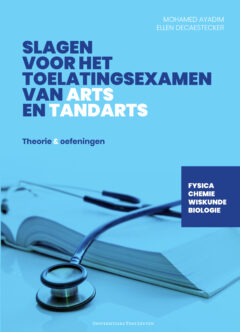 Slagen voor het toelatingsexamen van arts en tandarts
Mohamed Ayadim (Author), Ellen Decaestecker (Author), Hilde Rosseel (),
August 2020
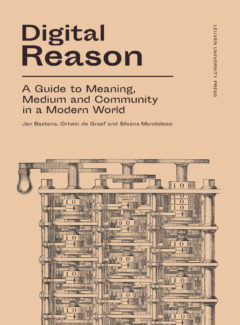 Digital Reason
Jan Baetens (Author), Ortwin de Graef (Author), Silvana Mandolessi (Author),
January 2020
 Mapping Landscapes in Transformation
Thomas Coomans (Editor), Bieke Cattoor (Editor), Krista De Jonge (Editor),
June 2019
 Digitale geletterdheid
Tom Willaert (Author), Dirk Speelman (Author), Fred Truyen (Author),
September 2018




 ‘A Truly Golden Handbook’
Veerle Achten (Editor), Erik Schokkaert (Editor), Geert Bouckaert (Editor),
September 2016

 Onweerstaanbaar veranderlijk
Jo Tollebeek (Editor), Els Van De Perre (Editor), Jean-Christophe Verstraete (Editor),
October 2013