

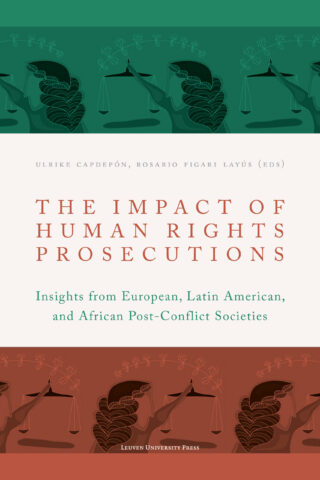
The Impact of Human Rights Prosecutions
Insights from European, Latin American, and African Post-Conflict Societies
Ulrike Capdepón (Editor), Rosario Figari Layús (Editor),
Category: Law, Political Science, Social Science
Language: English
ISBN: 9789462702493
Publication date: November 3, 2020
€57.00 (including 6% VAT)
Buy NowNumber of pages: 244
Size: 234 x 156 x 14 mm

Stock item: 137818
Standard delivery time for print books:
For Belgium: 5 to 8 working days
For EU: 2 to 3 weeks
For other countries: 4 to 5 weeks
Category: Law, Political Science, Social Science
Language: English
ISBN: 9789461663535
Publication date: November 3, 2020
€48.00 (including 6% VAT)
Buy NowNumber of pages: 244
New perspectives on human rights prosecutions in various regional contexts
Human rights prosecutions are the most prominent mechanisms that victims demand to obtain accountability. Dealing with a legacy of gross human rights violations presents opportunities to enhance the right to justice and promote a more equal application of criminal law, a fundamental condition for a more substantive democracy in societies. This book seeks to analyse the impact, advances, and difficulties of prosecuting perpetrators of mass atrocities at national and international levels. What role does criminal justice play in redressing victims’ wrongs, guaranteeing the non-repetition of mass atrocities, and attempting to overcome the damage caused by systematic human rights violations? This volume addresses critical issues in the field of human rights prosecution by drawing on the experiences of a variety of post-conflict and authoritarian countries covering three world regions. Contributing authors cover prosecutions in post-Nazi Germany, post-Communist Romania, and transnational legal complaints by victims of the Franco dictatorship, as well as domestic and third-country prosecutions for human rights violations in the pioneering South American countries of Argentina, Chile, Peru, and Uruguay, prosecutions in Darfur and Kenya, and the work of the International Criminal Court.
The Impact of Human Rights Prosecutions offers insights into the difficulties human rights trials face in different contexts and regions, and also illustrates the development of these legal procedures over time. The volume will be of interest to human rights scholars as well as legal practitioners, participants, justice system actors, and policy makers.
Contributors: Aleida Assmann (University of Konstanz), Kristine Avram (Philipps University of Marburg), Ulrike Capdepón (University of Konstanz), Rosario Figari Layús (Justus Liebig University of Giessen), Boris Hau (Diego Portales University), Iris Jave (Pontifical Catholic University), Geoffrey Lugano (Kenyatta University), Joachim J. Savelsberg (University of Minnesota), Debbie Sharnak (Rowan University), Valeria Vegh Weis (Free University of Berlin), Annette Weinke (Friedrich-Schiller University Jena)
This publication is GPRC-labeled (Guaranteed Peer-Reviewed Content).
Prologue
Aleida Assmann
Introduction: Do Human Rights Trials Make a Difference after Conflict, Dictatorship and State-Sponsored Violence? Rosario Figari Layús and Ulrike Capdepón
Human Rights Trials without Human Rights Law: Prosecuting Nazi Crimes in Postwar Germany After Nuremberg Annette Weinke
Courts as a Site to Tell the “Truth”: The Case of Former Prison Commander Alexandru Vişinescu Kristine Avram
Seeking Justice for the Crimes of the Franco Dictatorship: The Politics of Victimhood in the “Argentine Legal Complaint”
Ulrike Capdepón
The Struggle of Victims for Human Rights Trials in Post-Dictatorship Chile Boris Hau
The State Against the State: The Impact of Governmental Contradictions on Human Rights Trials and Victims in Argentina
Rosario Figari Layús
Operation Condor Trials Abroad: The Innovation and Domestic Constraints of Transnational Prosecution
Debbie Sharnak
Tensions Between Criminal Trials and the Sense of Justice in Post-Conflict Peru Iris Jave
The International Criminal Court’s “Africa Problem” and Suppression of the “Justice Cascade”
Geoffrey Lugano
Conditions and Cultural Consequences of International Criminal Justice Intervention: The Case of Darfur Joachim J. Savelsberg
The Effects of Seeking Justice on Behalf of the Victim: A Critical Analysis of Criminal Trials in the Kenyan Post-Election Violence Transitional Justice Process Valeria Vegh Weis
Concluding Reflections: Towards the End of Impunity? The Scope and Impact of Human Rights Trials
Rosario Figari Layús and Ulrike Capdepón
Der Essayband betont die Vielfalt der Auswirkungen von internationalen, aber auch nationalen Strafverfahren auf die Opfer und die lokale Bevölkerung. Der Band profitiert sehr von der regionalen Länderauswahl. Die Herausgeberinnen durchbrechen den althergebrachten Forschungsrahmen der 'Transitional Justice'. Es gelingt ihnen so, die Überfrachrung des Strafverfahrens zurückzunehmen und sein eigentliches Ziel, die Rechtsstaatlichkeit in einem demokratischen System neben der Wahrheitsfindung, zu betonen. Die gesellschaftliche Auseinandersetzung mit der Vergangenheit erlaubt Aussagen über die politische Emwicklung eines Landes. Der Strafverfolgung von Menschenrechtsverbrechen wird schlieβlich mit Recht ein demokratiefördernder Einfluss attestiert. So wird das Verhältnis des Staates zu seinen Bürgerinnen und Bürgern und jenes des Einzelnen zur Gemeinschaft neu justiert. Widerstände gegen nationale Strafverfahren werden im Schlusskapitel prominent angesprochen und aufgedeckt. Die Publikation bereichert die Diskussion um Funktion und Wirkung nationaler Strafverfahren nach Menschenrechtsverbrechen. Dies gilt gerade auch mit Blick auf jüngste Ereignisse, die einen besorgniserregenden Trend zu autokratischen Regierungsformen zeigen. Nicht nur Recht und Gerechtigkeit, sondern vor allem demokratische und rechtsstaatliche Scrukturen sind in fortlaufender Transition und müssen immer wieder verteidigt oder erkämpfr werden.Michaela Lissowsky, zeitschrift für menschenrechte, 2021, 1
This edited volume is a welcome addition to the literature focusing on human rights, crimes against humanity, and accountability processes. Its contents engage with the purpose and impact of justice and the challenges for overcoming impunity.
Susana Kaiser, Connections. A Journal for Historians and Area Specialists, January 2022
Frequently Asked Questions
What is "The Impact of Human Rights Prosecutions" about?
New perspectives on human rights prosecutions in various regional contexts
Human rights prosecutions are the most prominent mechanisms that victims demand to obtain accountability. Dealing with a legacy of gross human rights violations presents opportunities to enhance the right to justice and promote a more equal application of criminal law, a fundamental condition for a more substantive democracy in societies. This book seeks to analyse the impact, advances, and difficulties of prosecuting perpetrators of mass atrocities at national and international levels. What role does criminal justice play in redressing victims’ wrongs, guaranteeing the non-repetition of mass atrocities, and attempting to overcome the damage caused by systematic human rights violations? This volume addresses critical issues in the field of human rights prosecution by drawing on the experiences of a variety of post-conflict and authoritarian countries covering three world regions. Contributing authors cover prosecutions in post-Nazi Germany, post-Communist Romania, and transnational legal complaints by victims of the Franco dictatorship, as well as domestic and third-country prosecutions for human rights violations in the pioneering South American countries of Argentina, Chile, Peru, and Uruguay, prosecutions in Darfur and Kenya, and the work of the International Criminal Court.
The Impact of Human Rights Prosecutions offers insights into the difficulties human rights trials face in different contexts and regions, and also illustrates the development of these legal procedures over time. The volume will be of interest to human rights scholars as well as legal practitioners, participants, justice system actors, and policy makers.
Contributors: Aleida Assmann (University of Konstanz), Kristine Avram (Philipps University of Marburg), Ulrike Capdepón (University of Konstanz), Rosario Figari Layús (Justus Liebig University of Giessen), Boris Hau (Diego Portales University), Iris Jave (Pontifical Catholic University), Geoffrey Lugano (Kenyatta University), Joachim J. Savelsberg (University of Minnesota), Debbie Sharnak (Rowan University), Valeria Vegh Weis (Free University of Berlin), Annette Weinke (Friedrich-Schiller University Jena)
This publication is GPRC-labeled (Guaranteed Peer-Reviewed Content).
Who edited "The Impact of Human Rights Prosecutions"?
"The Impact of Human Rights Prosecutions" was edited by Ulrike Capdepón and Rosario Figari Layús.
Ulrike Capdepón holds a PhD in political science and is a researcher and project coordinator at the Center for Cultural Inquiry (ZKF), University of Konstanz.
Rosario Figari Layús is postdoctoral researcher in social sciences and lecturer at the Chair for Peace Studies at the Law Faculty at the Justus Liebig University of Giessen.
What is the Table of Contents for "The Impact of Human Rights Prosecutions"?
Prologue
Aleida Assmann
Introduction: Do Human Rights Trials Make a Difference after Conflict, Dictatorship and State-Sponsored Violence? Rosario Figari Layús and Ulrike Capdepón
Human Rights Trials without Human Rights Law: Prosecuting Nazi Crimes in Postwar Germany After Nuremberg Annette Weinke
Courts as a Site to Tell the “Truth”: The Case of Former Prison Commander Alexandru Vişinescu Kristine Avram
Seeking Justice for the Crimes of the Franco Dictatorship: The Politics of Victimhood in the “Argentine Legal Complaint”
Ulrike Capdepón
The Struggle of Victims for Human Rights Trials in Post-Dictatorship Chile Boris Hau
The State Against the State: The Impact of Governmental Contradictions on Human Rights Trials and Victims in Argentina
Rosario Figari Layús
Operation Condor Trials Abroad: The Innovation and Domestic Constraints of Transnational Prosecution
Debbie Sharnak
Tensions Between Criminal Trials and the Sense of Justice in Post-Conflict Peru Iris Jave
The International Criminal Court’s “Africa Problem” and Suppression of the “Justice Cascade”
Geoffrey Lugano
Conditions and Cultural Consequences of International Criminal Justice Intervention: The Case of Darfur Joachim J. Savelsberg
The Effects of Seeking Justice on Behalf of the Victim: A Critical Analysis of Criminal Trials in the Kenyan Post-Election Violence Transitional Justice Process Valeria Vegh Weis
Concluding Reflections: Towards the End of Impunity? The Scope and Impact of Human Rights Trials
Rosario Figari Layús and Ulrike Capdepón
What is the DOI for "The Impact of Human Rights Prosecutions"?
The Digital Object Identifier (DOI) for "The Impact of Human Rights Prosecutions" is 10.11116/9789461663535.
Related titles

 The Romero Memory
Judith Gruber (Editor), Jonas Van Mulder (Editor), Stephan Parmentier (Editor), Veerle Draulans (Editor), Joren Janssens (Editor), Jacques Haers (Editor), Kim Christiaens (Editor),
November 2026

 Infrastructuring Arrival
Karel Arnaut (Editor), Luce Beeckmans (Editor), Bruno Meeus (Editor),
November 2026
 Feminists Resisting Gendered Violence
Hemangini Gupta (Editor), Fiona Mackay (Editor), Jan Breckenridge (Editor), Louise Chappell (Editor), Rachna Mehra (Editor), Rukmini Sen (Editor), Mailin Suchting (Editor),
October 2026
 German–Rapanui Entanglements
Cristián Moreno Pakarati (Editor), Diego Muñoz (Editor), Philipp Schorch (Editor),
August 2026


 Teaching About the Violent Past
Line Kuppens (Author), Justin Sheria Nfundiko (Author),
October 2025
 Integration Otherwise Inspiration Kit
Luce Beeckmans (Author), Dounia Salamé (Author), Martina Bovo (Author), Mary Hogan (Author),
June 2025
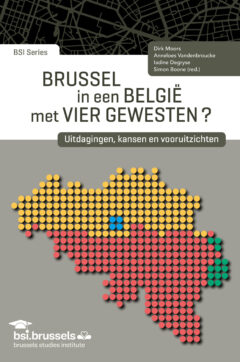 Brussel in een België met vier gewesten?
Dirk Moors (Editor), Anneloes Vandenbroucke (Editor), Iadine Degryse (Editor), Simon Boone (Editor),
February 2025

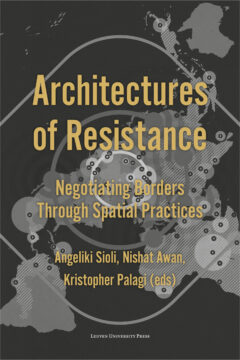 Architectures of Resistance
Angeliki Sioli (Editor), Nishat Awan (Editor), Kristopher Palagi (Editor),
August 2024

 Newcomers Navigating the Welfare State
Hanne Vandermeerschen (Editor), Elsa Mescoli (Editor), Jean-Michel Lafleur (Editor), Peter De Cuyper (Editor),
December 2023


 Islamophobia as a Form of Radicalisation
Leen d’Haenens (Editor), Abdelwahed Mekki-Berrada (Editor),
March 2023