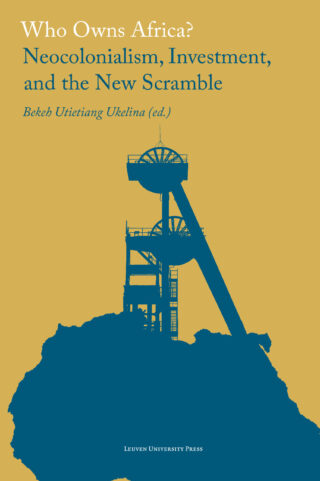
Who Owns Africa?
Neocolonialism, Investment, and the New Scramble
Bekeh Utietiang Ukelina (Editor),
Category: African Studies, Climate and Ecology, Economy, History 1800-present, Postcolonial Studies
Language: English
ISBN: 9789462703438
Publication date: November 8, 2022
€45.00 (including 6% VAT)
Buy NowNumber of pages: 280
Size: 234 x 156 x 15 mm

Stock item: 151078
Standard delivery time for print books:
For Belgium: 5 to 8 working days
For EU: 2 to 3 weeks
For other countries: 4 to 5 weeks
Category: African Studies, Climate and Ecology, Economy, History 1800-present, Postcolonial Studies
Language: English
ISBN: 9789461664754
Publication date: November 8, 2022
€39.00 (including 6% VAT)
Buy NowNumber of pages: 280
Why in spite of Africa’s abundant
natural and human resources its people are still poor
The independence of African countries from their European colonizers in the late 1950s and 1960s marked a shift in the continent’s political leadership. Nevertheless, the economies of African nations remained tied to those of their former colonies, raising questions of resource control and the sovereignty of these nation-states.
Who Owns Africa? addresses the role of foreign actors in Africa and their competing interests in exploiting the resources of Africa and its people. An interdisciplinary team of scholars examines the concept of colonialism from a historical and socio-political perspective. They show how the language of investment, development aid, mutual interest, or philanthropy is used to cloak the virulent forms of exploitation on the continent, thereby perpetuating a state of neocolonialism that has left many African people poor and in the margins.
Contributors: John K. Marah (State University of New York Brockport), Nene-Lomotey Kuditchar (University of Ghana), Bekeh Utietiang Ukelina (State University of New York Cortland), Tokie Laotan-Brown (Merging Ecologies, Athenry), Asher Lubotzky (Indiana University Bloomington), Seth N. Asumah (State University of New York Cortland), Kudakwashe Chirambwi (National University of Science and Technology, Zimbabwe), Phillip Murray (United States Military Academy West Point), Paul Chiudza Banda (Tarleton State University), Gift Wasambo Kayira (University of Malawi)
This publication is GPRC-labeled (Guaranteed Peer-Reviewed Content).
Acknowledgments
IntroductionFrom the European Scramble for Africa to the New Scramble Bekeh Utietiang Ukelina
Chapter One The Political Economy of Contemporary Africa: Lessons from the Scrambles for Africa John K. Marah
Chapter Two Decoding the Realpolitik of African States: The Paradox of Foreign Policy Options in a Context of Imperial Scramble Nene-Lomotey Kuditchar
Chapter Three Doing Good: US Aid and Philanthropic Colonialism in Africa Bekeh Utietiang Ukelina
Chapter Four The New Scramble and Its Economic Impact on West African Women Tokie Laotan-Brown
Chapter Five “We Are Returning to Africa, and Africa is Coming Back to Us”: Israel’s Evolving Relations With Africa Asher Lubotzky
Chapter Six China in Africa: Rethinking Development, the Role of the Nation State, and Neo-Benevolent Imperialism Seth N. Asumah
Chapter Seven Governmentality of China in Africa: A New Scramble through Road and Belt Initiatives Kudakwashe Chirambwi
Chapter Eight China’s Incidental Empire: How Chinese Energy Demand Created an Informal Empire in Africa Philip J. Murray
Chapter Nine Malawi-China Relations: A Strategic But Weak Developmental Partnership Paul Chiudza Banda & Gift Wasambo Kayira
Conclusion Reflections on Neocolonialism and the New Scramble Bekeh Utietiang Ukelina
About the Authors
In exploring the dynamics of Africa’s relations with global powers, this book connects Africa's past with its present and future development. It explores intricately, the parallels between today’s discourses of “development aid” and earlier narratives of the “civilizing mission.” By offering new and compelling viewpoints on this defining question, this book marks an important contribution to African studies and post-colonial studies.
Bonny Ibhawoh, Senator William McMaster Chair in Global Human Rights, McMaster University, Canada, and Expert-Rapporteur, UN Expert Mechanism on the Right to Development
This important book by multidisciplinary contributors focuses attention on the fact that African countries do not fully control their economies, an issue of continuing concern for Africans and those interested in the continent’s past and future.
Robert Maxon, Professor Emeritus of History, West Virginia University, Morgantown
Nonetheless, Who owns Africa offers an important contribution to post-colonial studies by actively challenging the prevailing narratives that depict Africa merely as a recipient of benevolent foreign aid and investment. It is an essential text in the study of historical and modern African affairs and post-colonial studies. For anyone engaged in international relations, or African studies, this volume challenges simplified narratives of development and aid offering a critical perspective that dominate discussions about Africa's place in the global economy and re-entering debates around sovereignty, agency, and the continuing impacts of colonial legacies in contemporary geopolitical strategies. For scholars and policymakers interested in the realities of African sovereignty and economic development, this edited volume provides compelling insights and calls for a re-evaluation of the relationships that shape these processes. Its multidisciplinary approach enriches the discourse, making it a must-read for anyone looking to understand the complexities of Africa's past and present relationships with global powers in a nuanced and historically informed context. - Ebenezer Bosomprah, Contemporary Journal of African Studies Vol. 11 No. 2 (2024), pp 179-186, https://dx.doi.org/10.4314/contjas.v11i2.6
Frequently Asked Questions
What is "Who Owns Africa?" about?
Why in spite of Africa’s abundant
natural and human resources its people are still poor
The independence of African countries from their European colonizers in the late 1950s and 1960s marked a shift in the continent's political leadership. Nevertheless, the economies of African nations remained tied to those of their former colonies, raising questions of resource control and the sovereignty of these nation-states.
Who Owns Africa? addresses the role of foreign actors in Africa and their competing interests in exploiting the resources of Africa and its people. An interdisciplinary team of scholars examines the concept of colonialism from a historical and socio-political perspective. They show how the language of investment, development aid, mutual interest, or philanthropy is used to cloak the virulent forms of exploitation on the continent, thereby perpetuating a state of neocolonialism that has left many African people poor and in the margins.
Contributors: John K. Marah (State University of New York Brockport), Nene-Lomotey Kuditchar (University of Ghana), Bekeh Utietiang Ukelina (State University of New York Cortland), Tokie Laotan-Brown (Merging Ecologies, Athenry), Asher Lubotzky (Indiana University Bloomington), Seth N. Asumah (State University of New York Cortland), Kudakwashe Chirambwi (National University of Science and Technology, Zimbabwe), Phillip Murray (United States Military Academy West Point), Paul Chiudza Banda (Tarleton State University), Gift Wasambo Kayira (University of Malawi)
This publication is GPRC-labeled (Guaranteed Peer-Reviewed Content).
Who edited "Who Owns Africa?"?
"Who Owns Africa?" was edited by Bekeh Utietiang Ukelina.
Bekeh Utietiang Ukelina is Associate Professor of History and Africana Studies and the Director of the Center for Gender and Intercultural Studies at the State University of New York, Cortland.
What is the Table of Contents for "Who Owns Africa?"?
Acknowledgments
IntroductionFrom the European Scramble for Africa to the New Scramble Bekeh Utietiang Ukelina
Chapter One The Political Economy of Contemporary Africa: Lessons from the Scrambles for Africa John K. Marah
Chapter Two Decoding the Realpolitik of African States: The Paradox of Foreign Policy Options in a Context of Imperial Scramble Nene-Lomotey Kuditchar
Chapter Three Doing Good: US Aid and Philanthropic Colonialism in Africa Bekeh Utietiang Ukelina
Chapter Four The New Scramble and Its Economic Impact on West African Women Tokie Laotan-Brown
Chapter Five “We Are Returning to Africa, and Africa is Coming Back to Us”: Israel’s Evolving Relations With Africa Asher Lubotzky
Chapter Six China in Africa: Rethinking Development, the Role of the Nation State, and Neo-Benevolent Imperialism Seth N. Asumah
Chapter Seven Governmentality of China in Africa: A New Scramble through Road and Belt Initiatives Kudakwashe Chirambwi
Chapter Eight China’s Incidental Empire: How Chinese Energy Demand Created an Informal Empire in Africa Philip J. Murray
Chapter Nine Malawi-China Relations: A Strategic But Weak Developmental Partnership Paul Chiudza Banda & Gift Wasambo Kayira
Conclusion Reflections on Neocolonialism and the New Scramble Bekeh Utietiang Ukelina
About the Authors
What is the DOI for "Who Owns Africa?"?
The Digital Object Identifier (DOI) for "Who Owns Africa?" is 10.11116/9789461664754.
Related titles

 Margarete Schütte-Lihotzky and the Architecture of Collective Dissidence, 1918–1989
S.E. Eisterer (Author),
April 2027
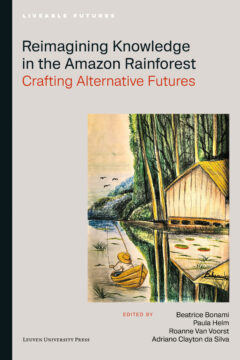 Reimagining Knowledge in the Amazon Rainforest
Beatrice Bonami (Editor), Paula Helm (Editor), Roanne van Voorst (Editor), Adriano Clayton da Silva (Editor),
January 2027

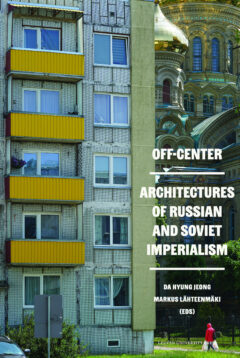
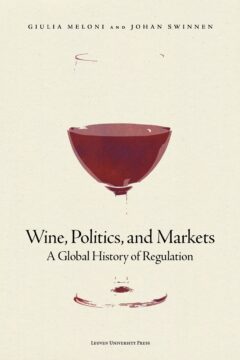
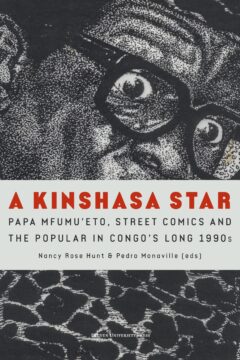
 A City in Practice
Aude Tournaye (Editor), Filip De Boeck (Editor), Picha Collective (Editor),
September 2026
 Ecologies of Photography in the American West
Monica Bravo (Editor), Carolin Görgen (Editor),
September 2026
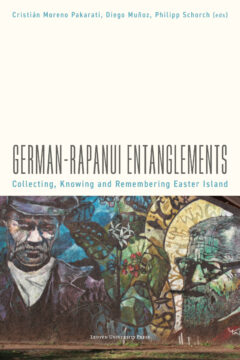 German–Rapanui Entanglements
Cristián Moreno Pakarati (Editor), Diego Muñoz (Editor), Philipp Schorch (Editor),
August 2026
 Cinema in Post-War Belgium
Gertjan Willems (Editor), Bjorn Gabriels (Editor), Bénédicte Rochet (Editor),
May 2026
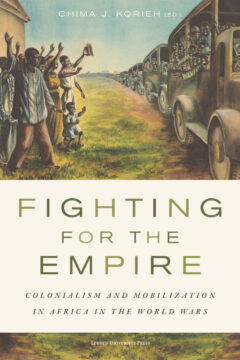
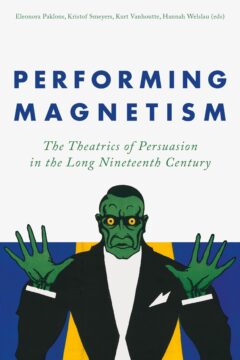 Performing Magnetism
Eleonora Paklons (Editor), Kristof Smeyers (Editor), Kurt Vanhoutte (Editor), Hannah Welslau (Editor),
May 2026
 Jean Katambayi Mukendi
Johannes Muselaers (Editor), Stéphane Symons (Editor), Anne-Claire Schmitz (Editor), Emma Enderby (Editor),
April 2026
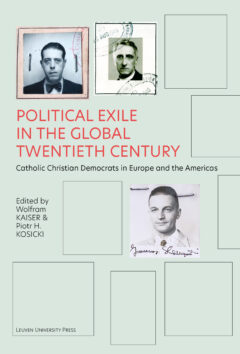 Political Exile in the Global Twentieth Century
Wolfram Kaiser (Editor), Piotr H. Kosicki (Editor),
April 2026
 Christian Democracy and the Fall of Communism
Michael Gehler (Editor), Piotr H. Kosicki (Editor), Helmut Wohnout (Editor),
April 2026
 Cartographies of Catastrophes
Laura Demeter (Editor), Carmen M. Enss (Editor), Piotr Kisiel (Editor), Carol Ludwig (Editor),
February 2026
 Comics and the Global South
Andrea Aramburú (Editor), Dibyadyuti Roy (Editor), Joe Sutliff Sanders (Editor),
February 2026