Blog
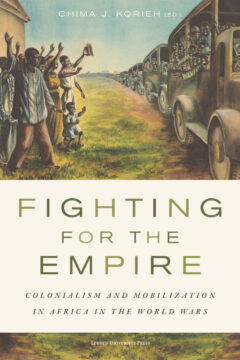
Chima J. Korieh | Fighting for the Empire
17th April, 2026 in Author’s corner
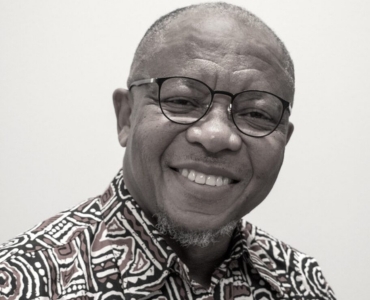
Chima J. Korieh is Professor of African History and Africana Studies at Marquette University and the Institute of African Studies, University of Nigeria.
Africa’s contribution to the World Wars was critical to the Allied victory. African manpower and resources made the difference between victory and defeat.
Fighting for the Empire examines the influence of African societies and ideas on the First and Second World Wars. The essays in this collection explore various themes related to both wars and societies within the empire, with a focus on the African experience and its intersection with European empires, colonialism, race, economy, and global conflagrations. A conversation with editor Chima J. Korieh.
Briefly and concisely explain in plain language what the book is about.
The book is about the roles African societies played in the First and Second World Wars and how these wars redefined the relationship between African colonies and European empires. It explores the World Wars and their role in shaping African societies during and after the conflicts, and recounts the extraordinary and often neglected story of African peoples drawn into the wars, the enormous demands placed on their resources, and the ways the wars transformed lives, societies, and imperial relations.
What or who inspired you to choose this topic?
Two young men from my hometown of Ihitteaforukwu, in eastern Nigeria, fought in the Second World War as part of the Nigerian Regiment. Their story inspired me to learn more about their role, as well as that of ordinary Africans, in the World Wars.
Did the book turn out the way you imagined it? In what way(s) did it or did it not?
It turned out pretty much the way I wanted, though I couldn’t get some contributors to deliver chapters focused on South Africa. Broader regional coverage and perspectives would have been ideal.
What social impact do you think the book can have, or would you like it to have?
The Second World War had an enormous social impact across the African continent. While these impacts varied across countries, many African societies faced serious crises at home, much like parts of Europe and the Americas. The demands placed on African resources created food shortages in some countries. The wars were transformative, fueling social movements and nationalism while undermining colonial hegemony and the myth of European invincibility.
In what way do you think your book can shape future research in your research field?
Several aspects of Africa’s World War experiences still need historians’ attention. Too little work has been done on gender analysis. How the war was fought on the home front in Africa deserves greater attention, as does the impact of the war on women’s economic and social status, domestic relations, marriage, and cultural change. A more inclusive history of the war’s impact on childhood would also produce a more comprehensive social narrative of wartime experience.
What is your favourite part of the book and why?
Although shaped by factors external to the continent, African leaders were no mere bystanders. The diplomatic history of Africa’s engagement with the wars, empire, and global change in the aftermath of the conflicts provides a fuller picture of international politics. The focus on African agency is an especially exciting part of the book.
What was the most challenging step in the entire creation process of your book?
Like many edited collections, working with several contributors—who often juggle competing commitments—is always a challenge.
What would you like readers to remember about your book?
Africa’s contribution to the World Wars was critical to the Allied victory. African manpower and resources made the difference between victory and defeat.
If you could travel through time, where would you want to go to to talk about your research/book?
A history conference in Nigeria or other venues where the papers have strong local context and relevance.
Your book is published open access. How did the open access publication process go? What makes open access so attractive for you/your book?
Open access makes scholarship widely available and allows people in developing countries, including those in Africa, to access new and relevant research.
Do you have any plans yet for another publication? What will it be about?
Yes. I am working on two projects: an edited volume titled Narratives of Power: Political Discourse in Contemporary African Literature and a monograph, Hell’s Island: West African Labor, Plantation Agriculture, and Violence on Spanish Fernando Po, 1920–1980.